EN
 SP
 FR

- Home
- About Us
- Products
- Service
- Project
- News
- Contact Us
Pulished on May. 24, 2023
Temporary fencing plays a crucial role in ensuring safety and security at various events and construction sites across Australia. To maintain high standards of safety and compliance, the Australian government has implemented regulations pertaining to the installation and use of temporary fencing. These regulations aim to protect both the public and workers, as well as maintain order and efficiency in temporary work environments. Let's delve into the key regulations governing temporary fencing in Australia.
Standards for Construction Sites:
Temporary fencing is mandatory on construction sites to prevent unauthorized access, protect the public, and maintain a safe working environment. In accordance with Australian Standards AS 4687-2007, temporary fencing must meet specific requirements in terms of height, structural integrity, gate accessibility, and signage. These standards ensure that construction sites are properly secured and adhere to safety protocols.

Traffic Management:
Temporary fencing is crucial for managing traffic and pedestrian safety in public spaces and events. Australian regulations emphasize the need for proper traffic management plans, including the installation of temporary fencing to direct and control the flow of vehicles and pedestrians. This helps prevent accidents and maintain order during roadworks, festivals, and other public gatherings.
Crowd Control and Event Safety:
Temporary fencing is a key component in managing crowd control and ensuring event safety. Organizers of public events, such as concerts or sporting events, are required to implement temporary fencing as per local council regulations. These regulations outline specific guidelines for the size, placement, and structural integrity of the fencing to ensure the safety and security of attendees.

Compliance and Inspections:
To ensure adherence to regulations, local authorities conduct inspections to verify the compliance of temporary fencing installations. Inspections may focus on aspects such as structural integrity, signage, gate accessibility, and overall safety. Non-compliance can lead to penalties and even work stoppages until the necessary corrections are made.
Conclusion:
The regulations surrounding temporary fencing in Australia are essential for maintaining safety, protecting the public, and ensuring compliance in various settings. From construction sites to public events and pool safety, these regulations outline specific requirements for the installation and use of temporary fencing. By adhering to these regulations, stakeholders can create a safer environment for workers, attendees, and the general public. It is crucial for all individuals and organizations involved in temporary fencing to stay updated with the latest regulations and actively work towards maintaining the highest standards of safety and compliance.
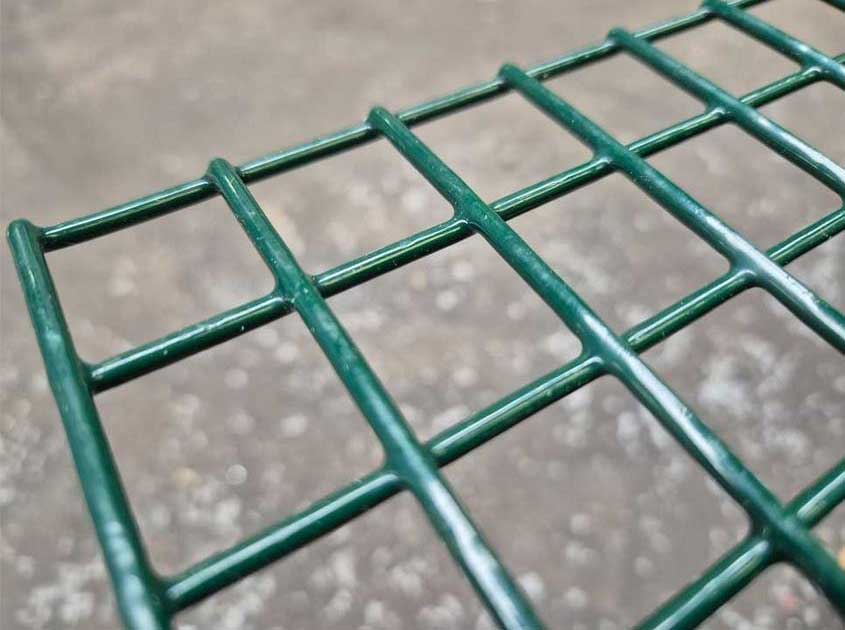
How to Select the Right Wire Diameter for Welded Wire Fence? A Practical Buyer’s Guide
Pulished on Nov. 18, 2026
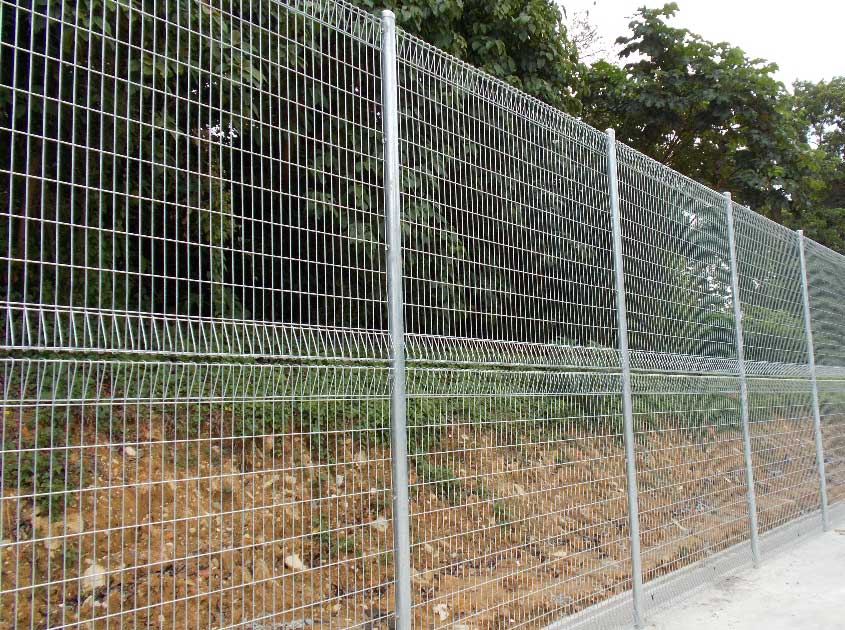
What Mesh Size Is Best for Welded Wire Fence? A Practical Selection Guide
Pulished on Nov. 09, 2026
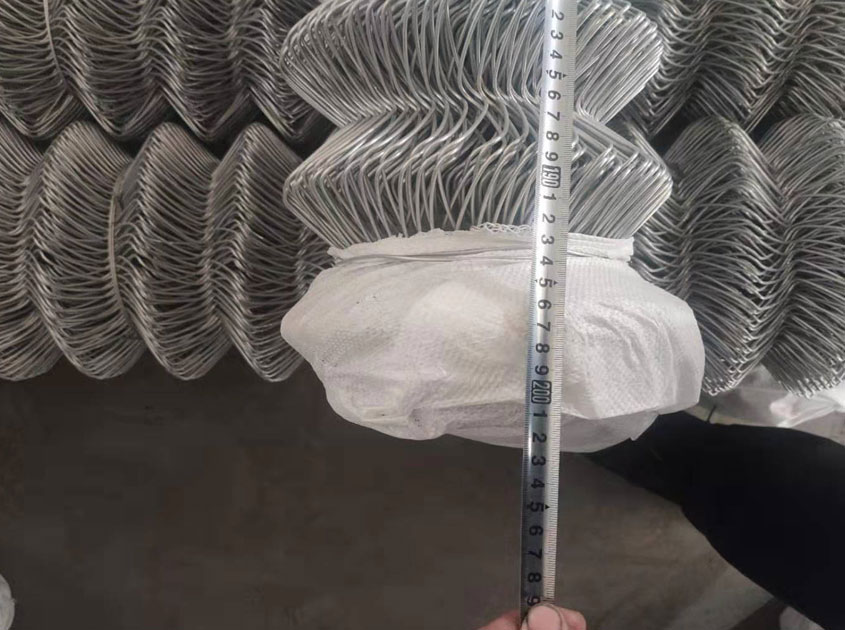
How Much Does Chain Link Fence Cost? A Complete Guide to Material Prices, Shipping and Project Costs
Pulished on Oct. 27, 2026
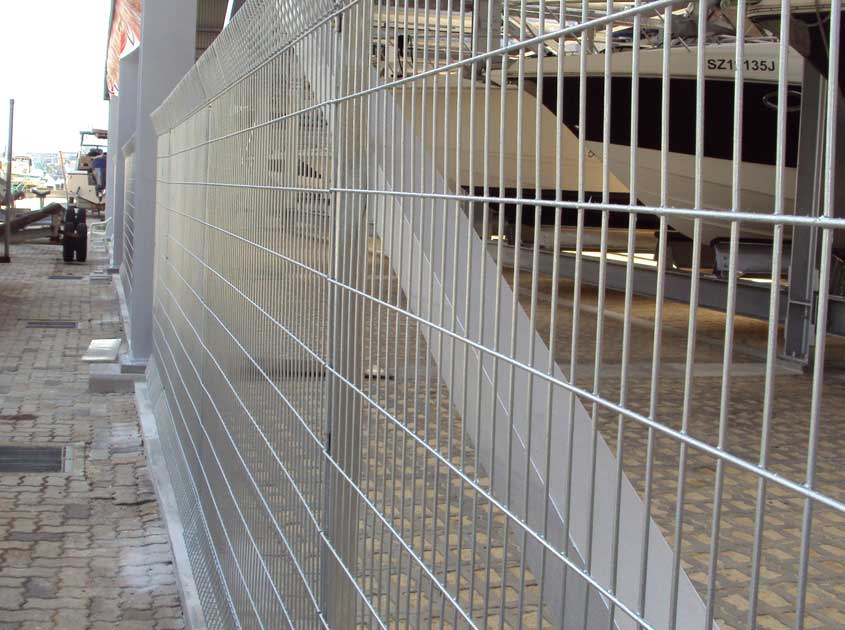
How to Install a Welded Wire Fence: A Step-by-Step Guide for Contractors
Pulished on Oct. 23, 2026
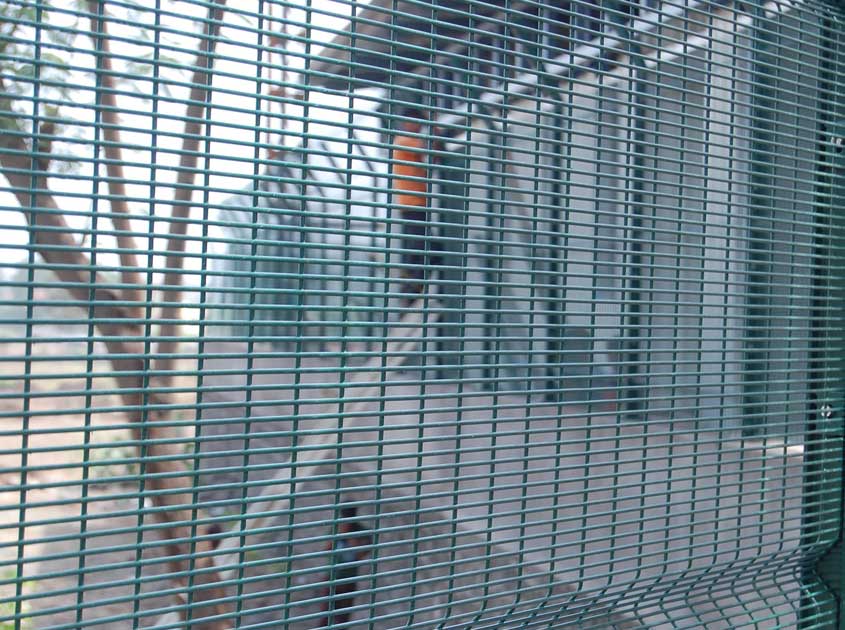
358 Fence vs Welded Wire Fence: Which Is Better for Your Project?
Pulished on Oct. 20, 2026
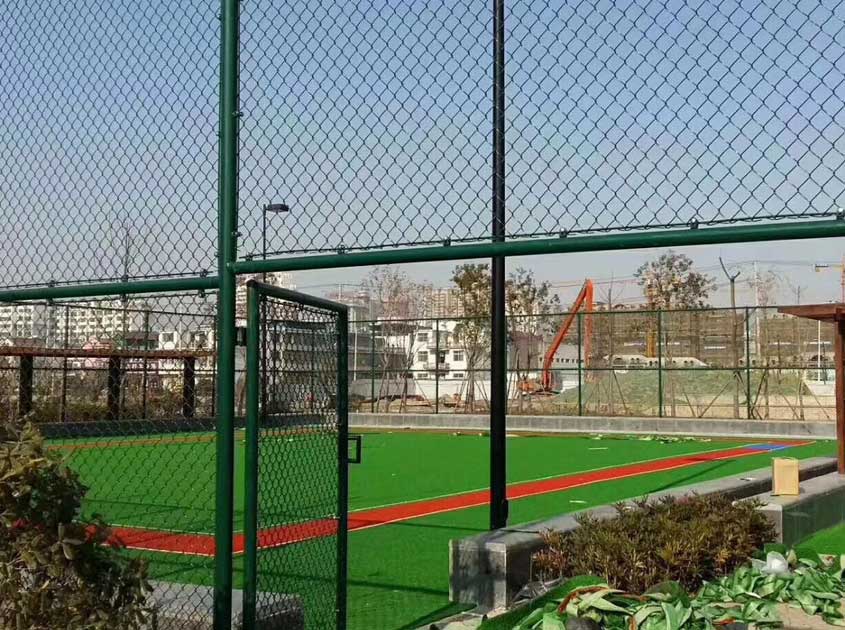
What Are the Advantages of Chain Link Fence? 8 Benefits for Commercial and Industrial Projects
Pulished on Oct. 16, 2026
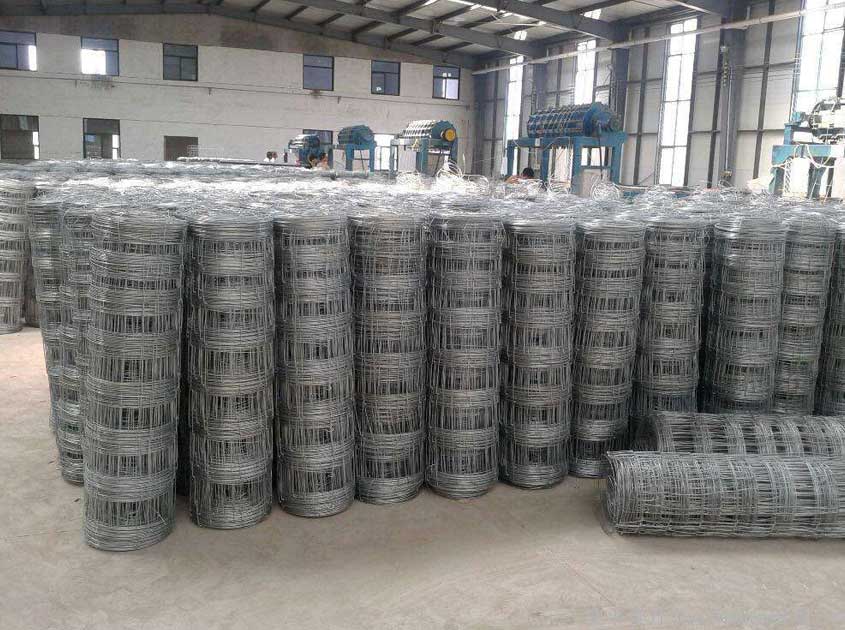
How to Choose Farm Fence for Cattle and Horses: Wire, Height and Design Guide
Pulished on Sep. 23, 2026
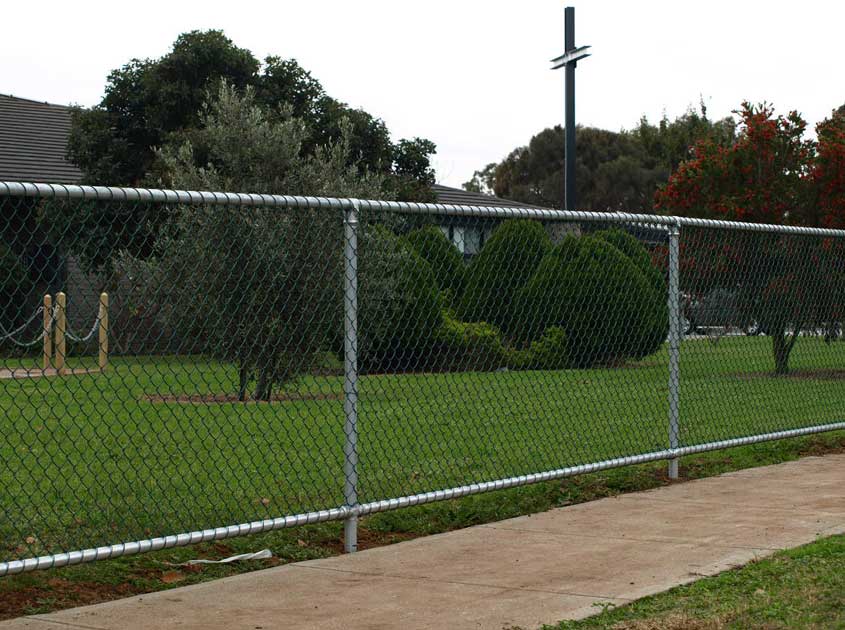
How Is Chain Link Fence Made? Manufacturing Process and Components
Pulished on Sep. 18, 2026
How to Select the Right Wire Diameter for Welded Wire Fence? A Practical Buyer’s Guide
Pulished on Nov. 18, 2026
What Mesh Size Is Best for Welded Wire Fence? A Practical Selection Guide
Pulished on Nov. 09, 2026
How Much Does Chain Link Fence Cost? A Complete Guide to Material Prices, Shipping and Project Costs
Pulished on Oct. 27, 2026
How to Install a Welded Wire Fence: A Step-by-Step Guide for Contractors
Pulished on Oct. 23, 2026
358 Fence vs Welded Wire Fence: Which Is Better for Your Project?
Pulished on Oct. 20, 2026
What Are the Advantages of Chain Link Fence? 8 Benefits for Commercial and Industrial Projects
Pulished on Oct. 16, 2026
How to Choose Farm Fence for Cattle and Horses: Wire, Height and Design Guide
Pulished on Sep. 23, 2026
How Is Chain Link Fence Made? Manufacturing Process and Components
Pulished on Sep. 18, 2026